2026
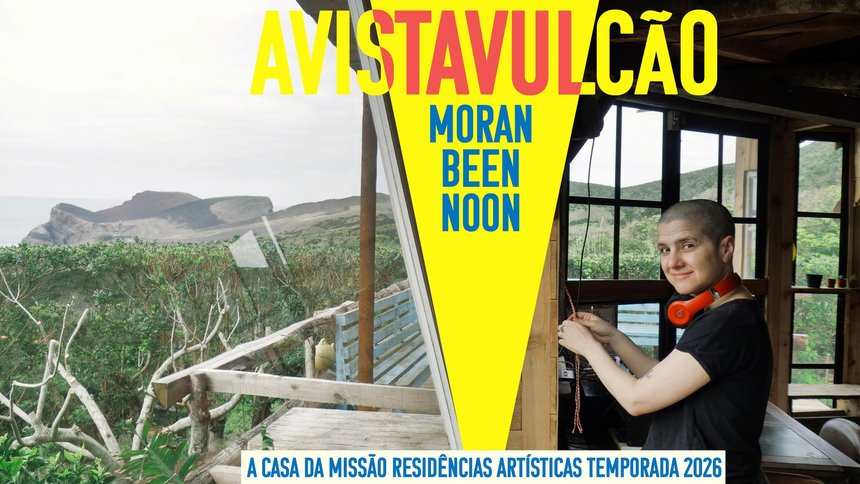
Moran Been Noon is a visual artist who creates moving-image installations using animation, archival material, sculptural objects, and non-traditional projections. Her work focuses on post-migration life, examining how ethnographic studies shape the sense of belonging. In parallel, she investigates the engagement of the body with place, and of culture with society, concentrating on the narratives of migrants and those who remain in their countries of origin. She is interested in the relationship between folkloric locales and the self, and in the development of migration as a narrative of “potential fiction,” reflecting the constant state of loss perceived in long-term migration.
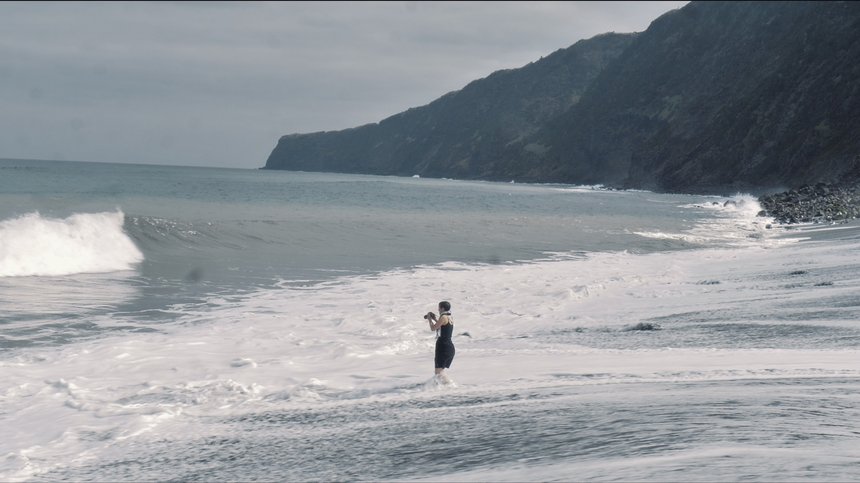
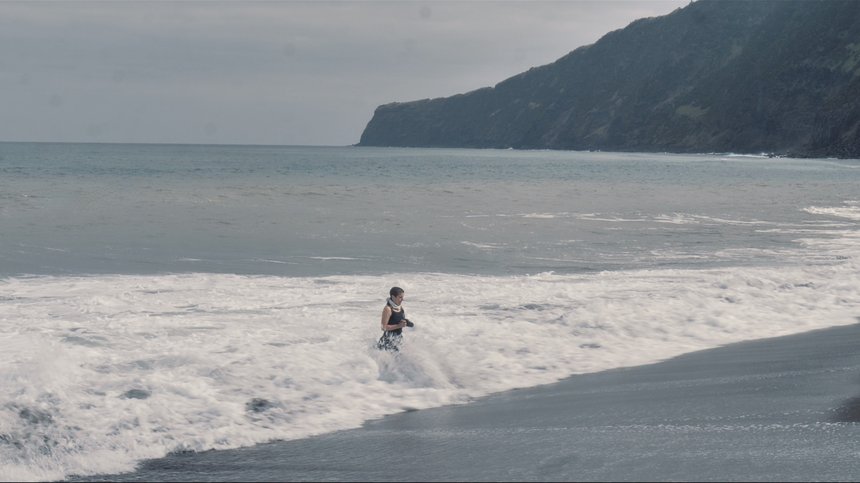
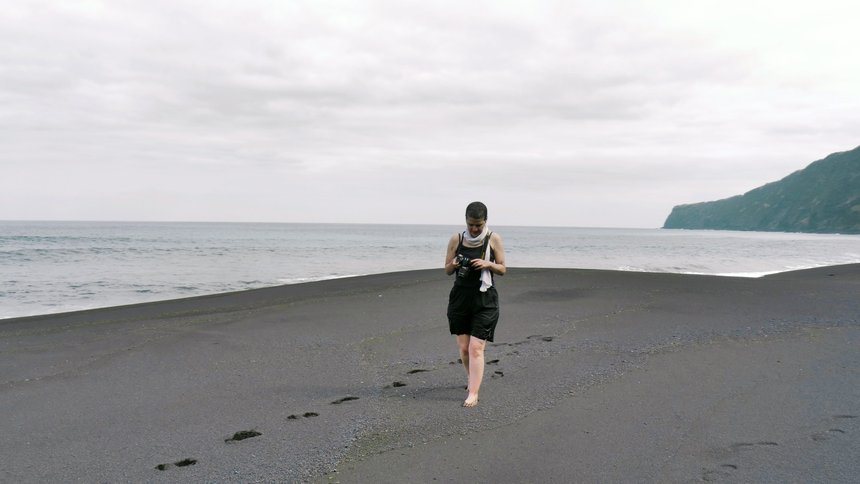
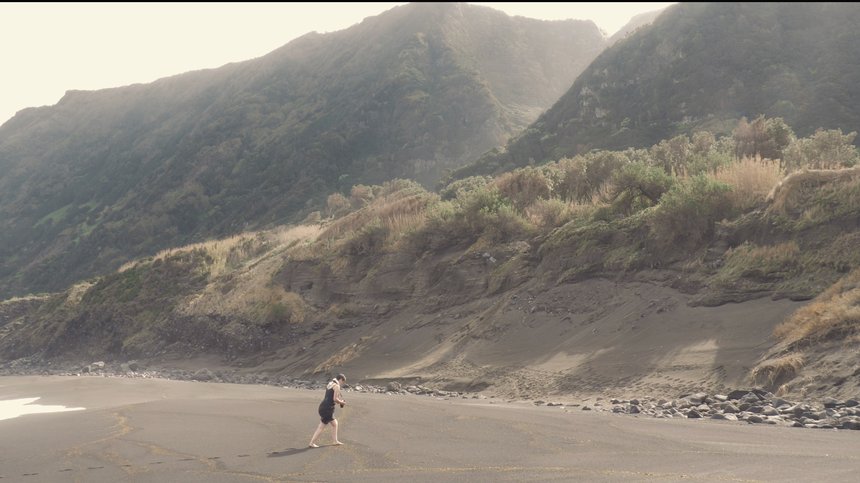
"During my residency in the Azores, I want to explore aspects of the island community’s relationship with the emigration that followed the eruption of the Capelinhos volcano. After years of exploring migration stories that spanned decades, generations, and centuries, shaping identities and folkloric narratives, I feel that the relatively recent and rapid example of significant migration from Faial could inspire new ideas. I hope to learn from the people of the community who stayed, to learn about the architecture and how the houses integrate into the landscape, about the lighthouses, the stories, and the practices that have endured after being affected by the eruption. I am interested in the story this community tells about itself and about its diaspora."
Outcome of the Creative Process:
The work developed by Moran Been Noon during her artistic residency proposes a hybrid approach combining technology, materiality, and performance. The project is structured into multiple exhibition devices, each functioning as a distinct sensory and narrative module.
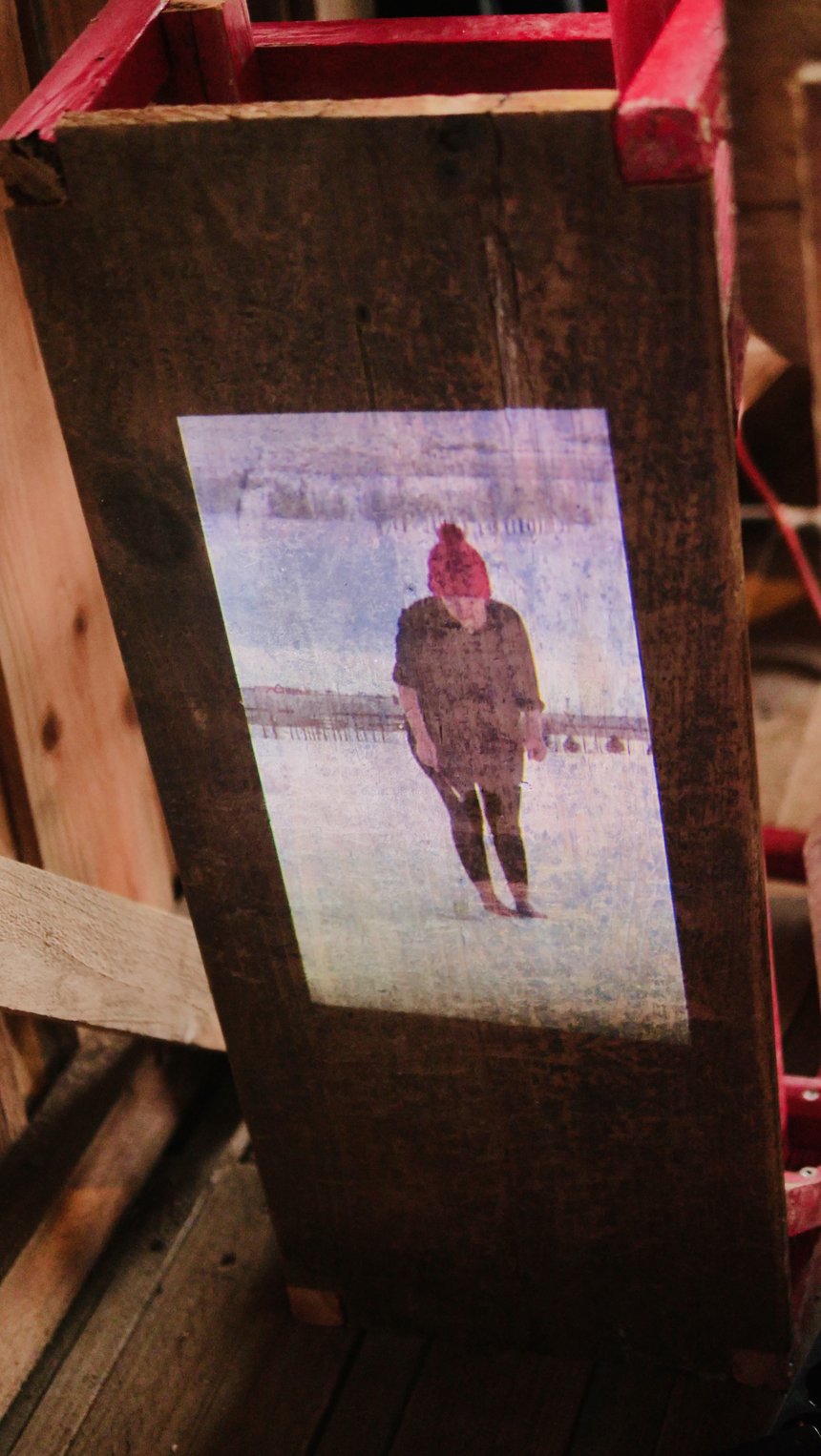
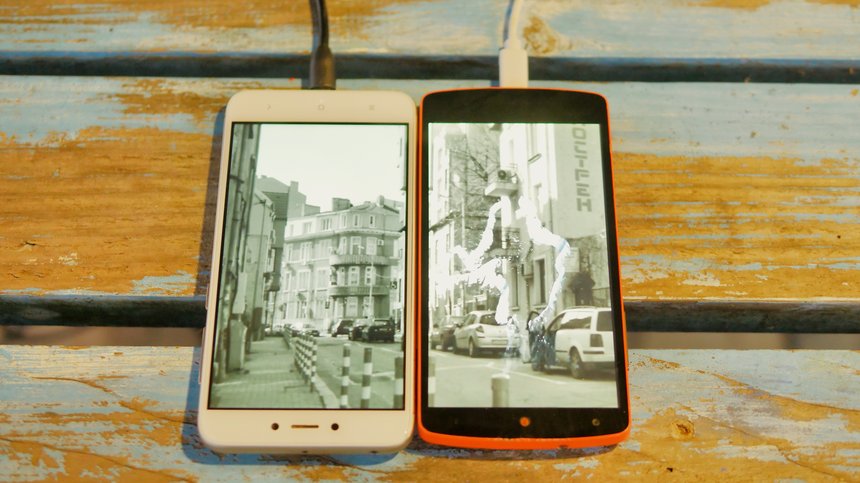
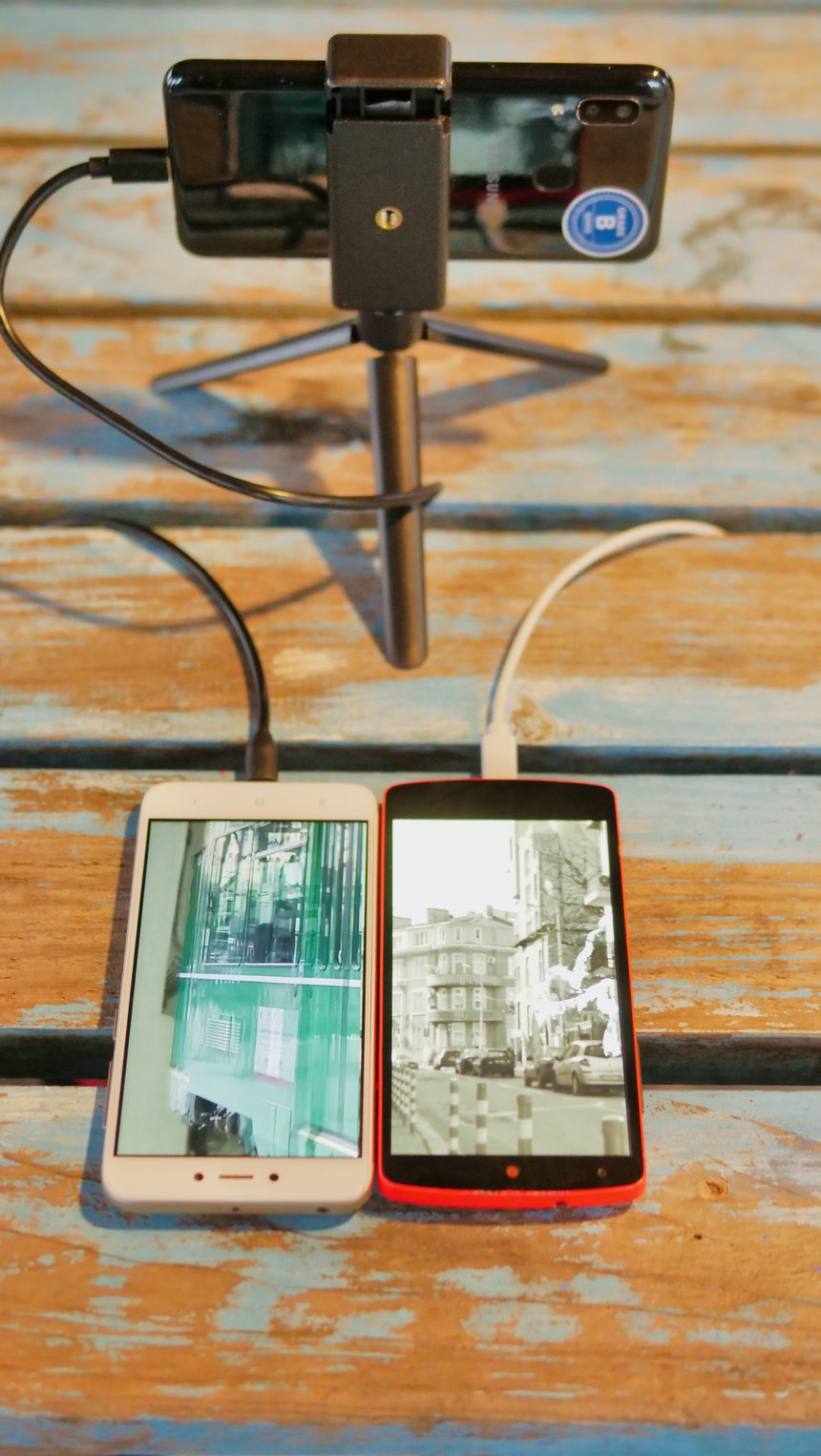
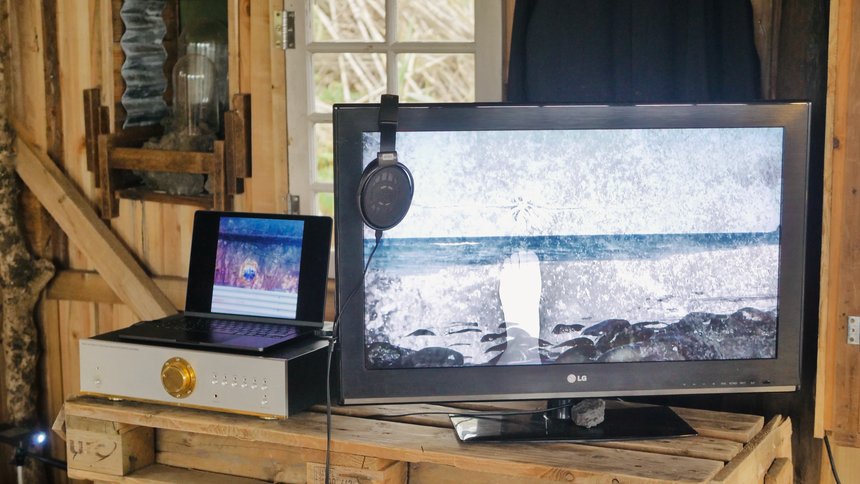
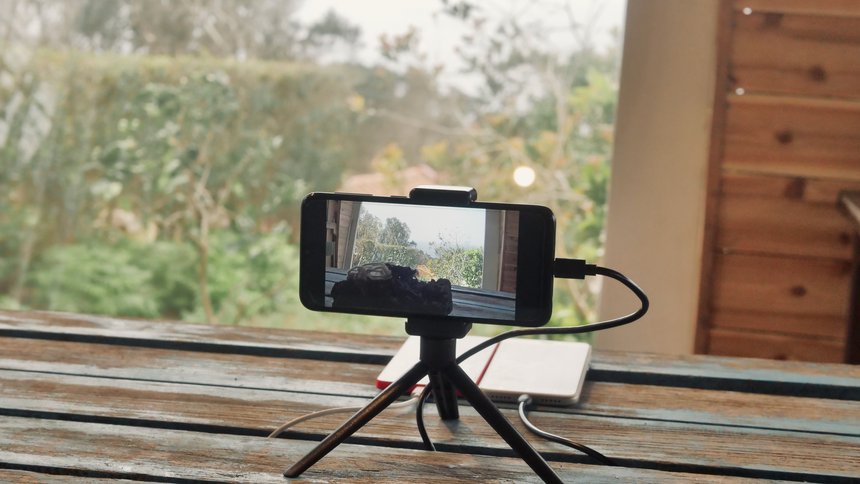
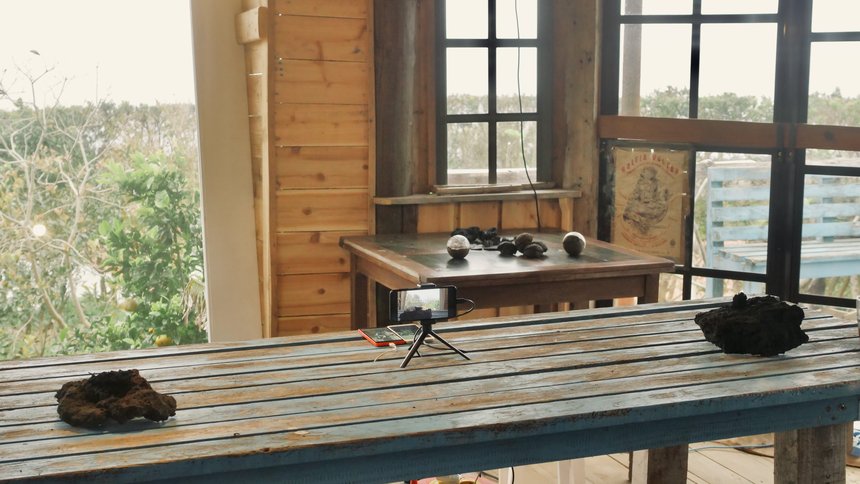
The first module is a mini projection, in which the artist appears almost like a hologram, questioning the physical presence and digital representation of the body. Another device utilises disused mobile phones transformed into micro-screens displaying moving images, intersecting records from the residency on the island with previous experiences in Dublin and Bulgaria, creating a visual map of memories and displacements.
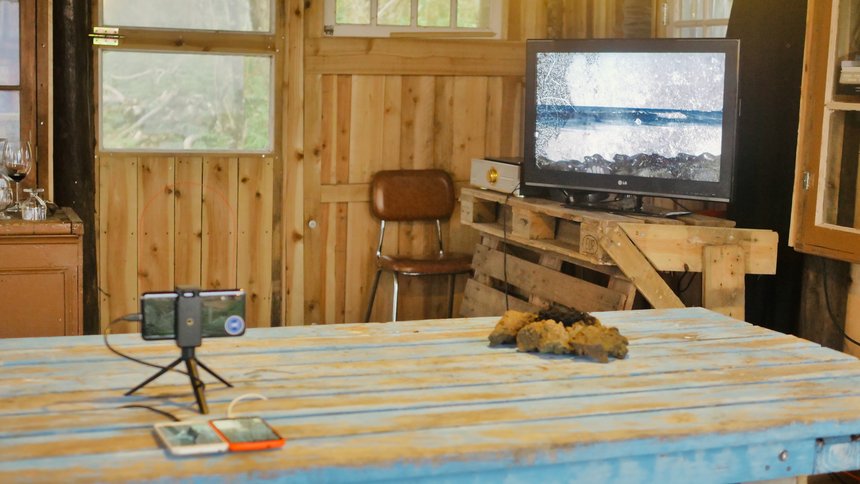
A new audiovisual device combines footage recorded during the island residency with a musical composition by an Irish artist, generating a sonic and visual narrative that enhances the sensory dimension of the territory and the temporality of the experience.
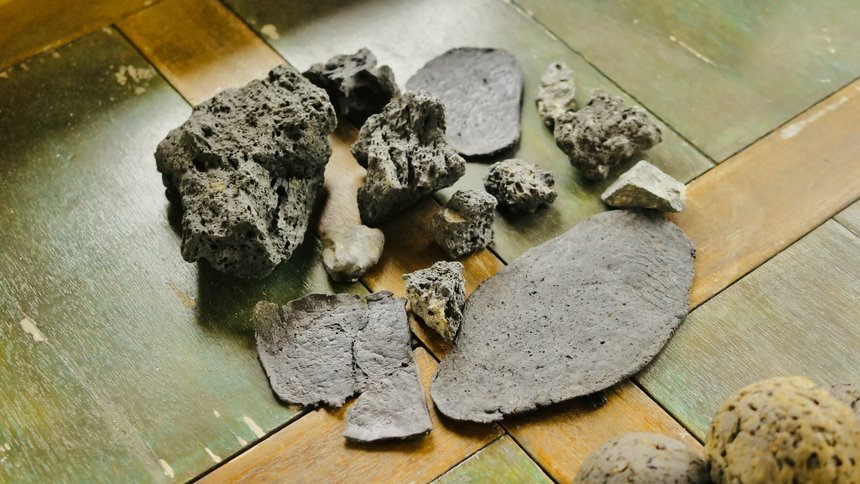
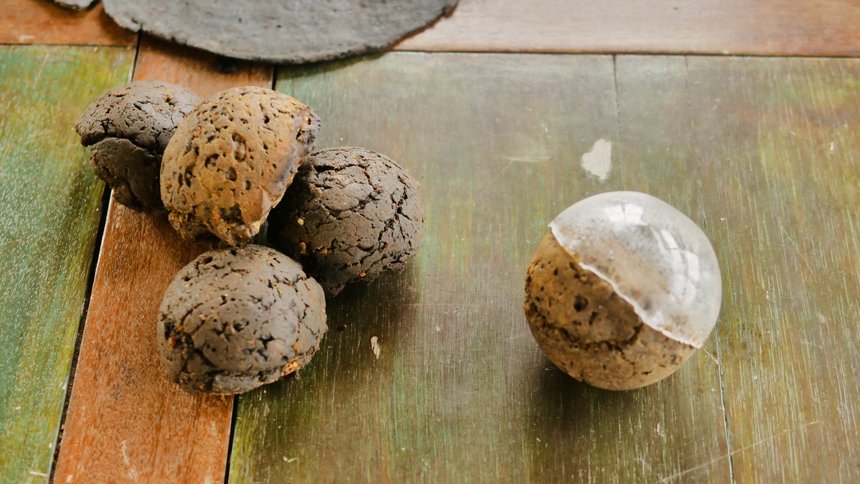
The exploration of natural materials appears in installations featuring basalt stones and burnt twine, suggesting the relationship between organic elements and processes of destruction and transformation. Finally, Moran Been Noon proposes a performative installation that reproduces volcanic bombs through burnt flour particles, culminating in a participatory gesture: the “bombs” can be tasted at the end of the presentation, connecting audience and artwork both literally and symbolically.
The ensemble of devices demonstrates the rigour of the creative process, articulating technology, territory, memory, and performance, and highlights the potency of the residency as a space for experimentation and dialogue between artistic practices, material science, and sensory experience.