2025
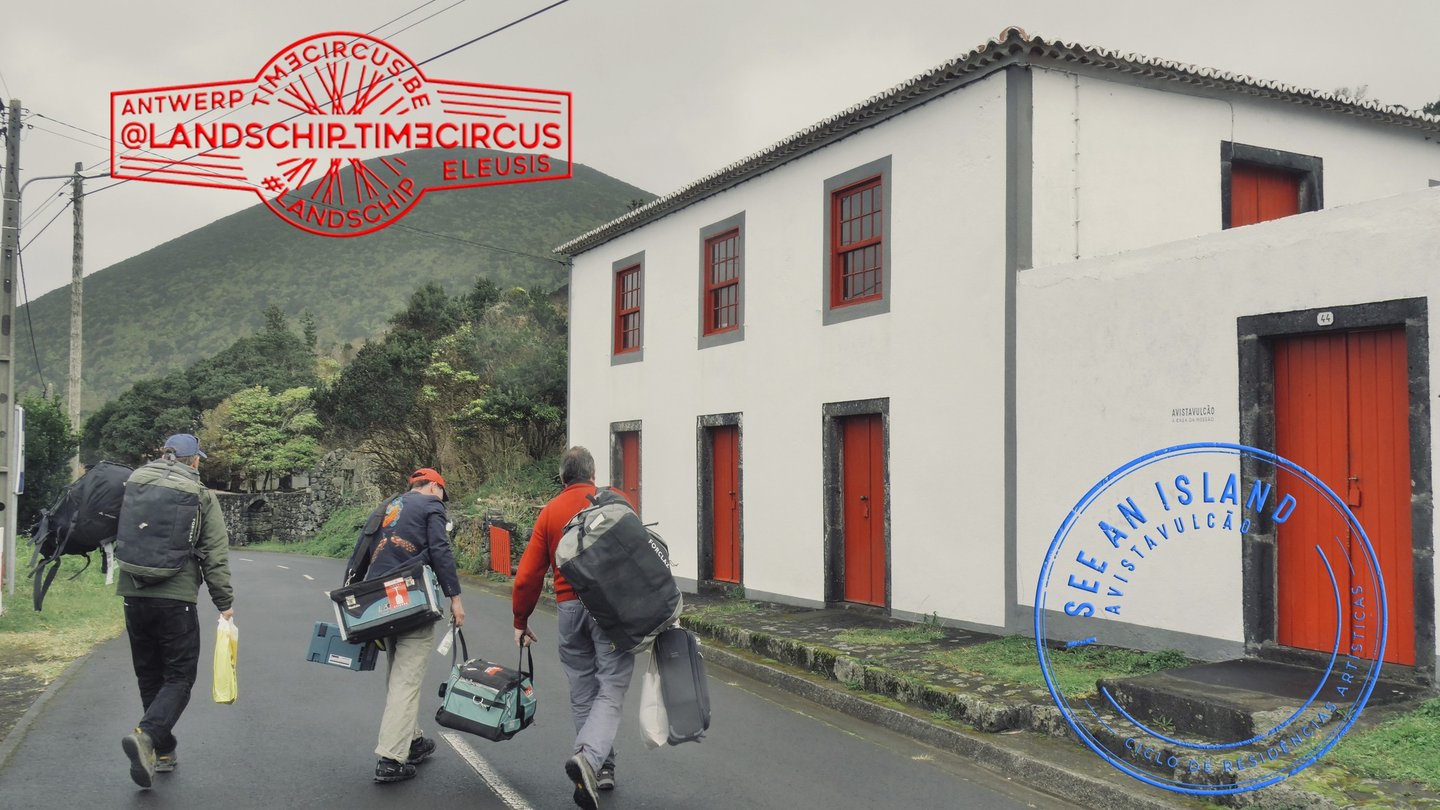
The Belgian artistic collective TimeCircus It brings together professionals from diverse fields such as architecture, design, sculpture, visual, plastic and performing arts, making it a truly multidisciplinary and versatile group. Founded 25 years ago, it is known for its installations with great visual and social impact, often created in direct dialogue with the communities where it operates.
Travelers by nature, the members of TimeCircus travel across Europe — often on foot — carrying with them the desire to create, share and transform by carrying out artistic interventions and building socio-cultural spaces in various countries along the way. An example of this was the Landschip project, in which they walked from Belgium to Greece.
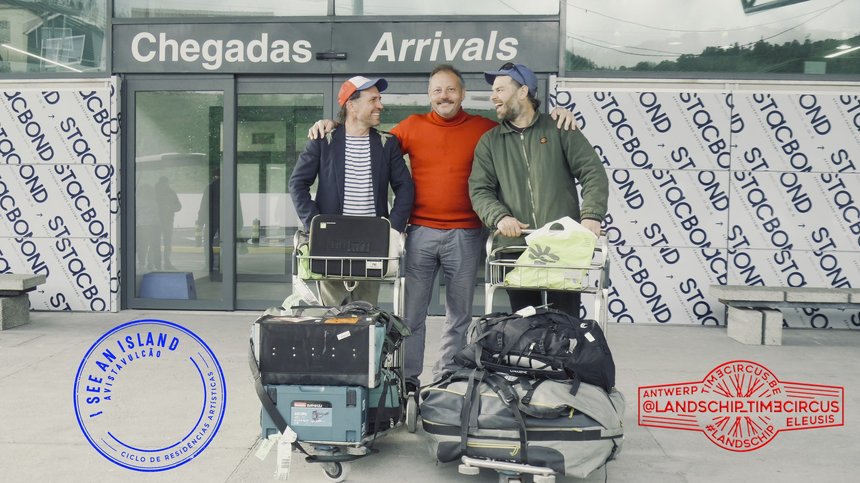
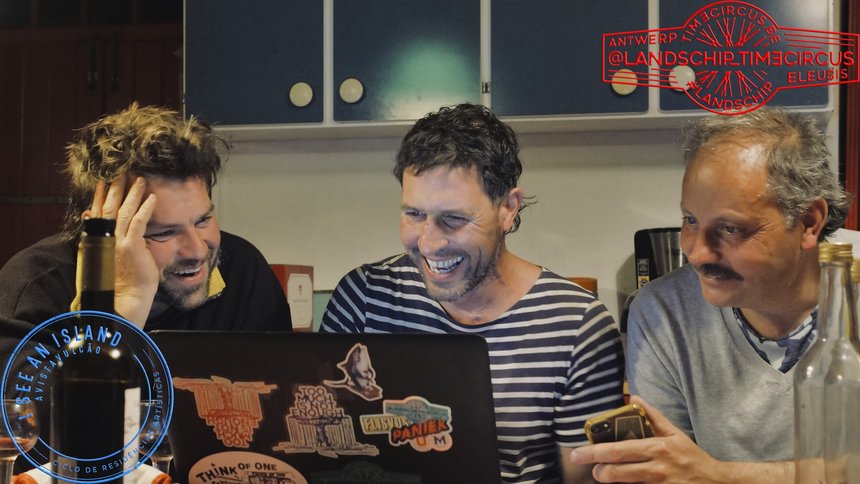
The collective came to Capelo for the second time in residence, developing the research and preparation phase of new creations within the AVISTAR project. These will be installations, inspired by the architecture and landscapes of the Azores, in homage to the historical connection between the local community and the surrounding nature, and are intended to be a space dedicated to artistic creation in a rural area, conceived based on the values of sharing, contemplation, and connection with the territory.
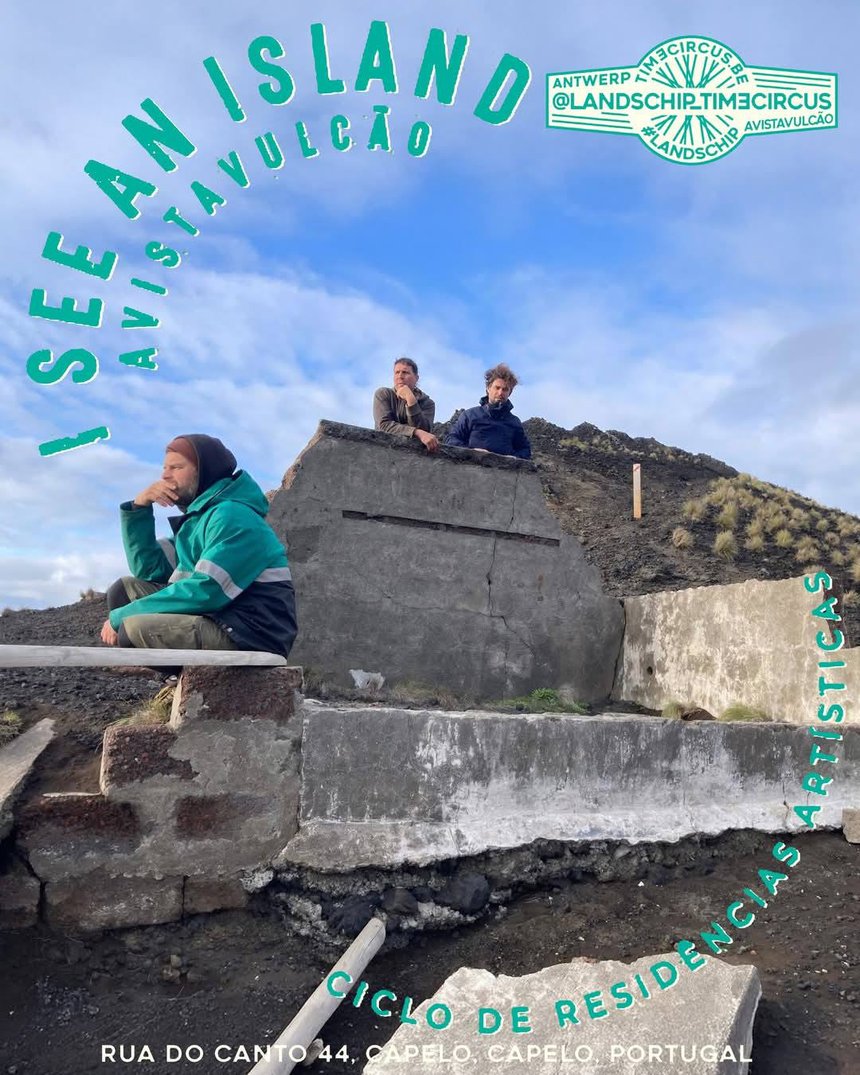
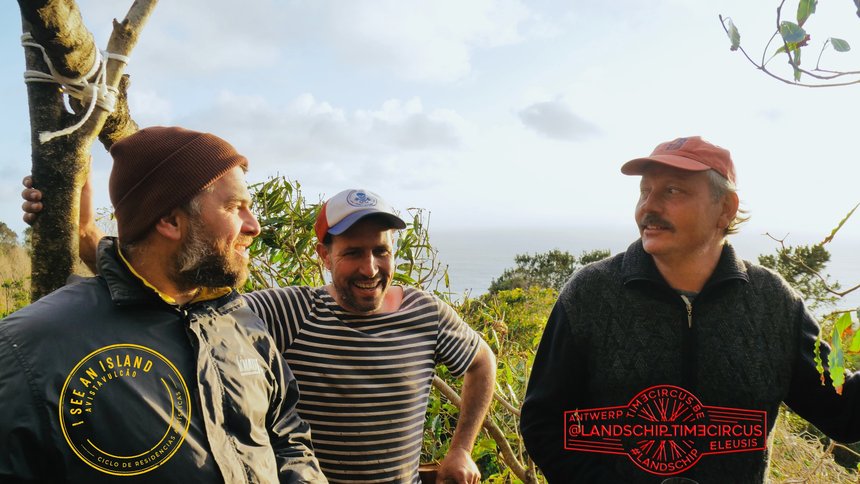
During their stay, the artists traveled around the islands of Faial and Pico, seeking inspiration from their stories, landscapes, and inhabitants—essential elements for immersing themselves in the local cultural identity and truly understanding the place where they are located.
The people and territories that welcome them are the main source of inspiration for their creations. TimeCircus installations, whether small or large-scale, are always distinguished by their originality, the creative use of locally available materials, and the active involvement of the communities.
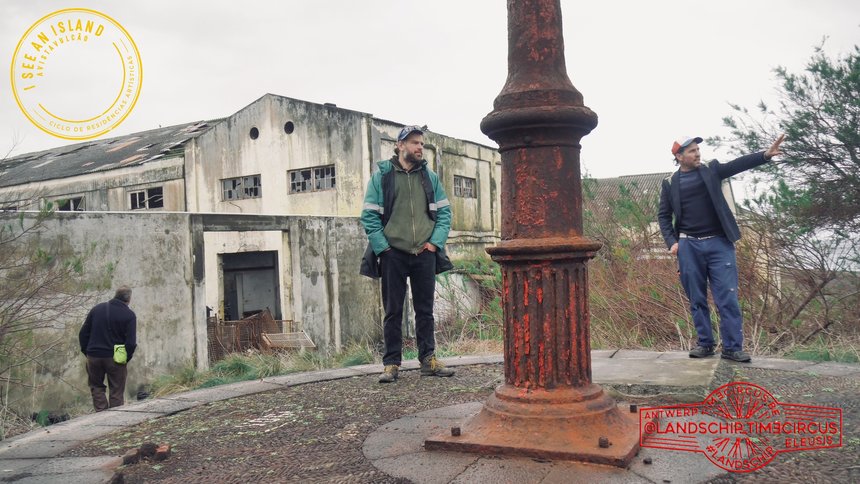
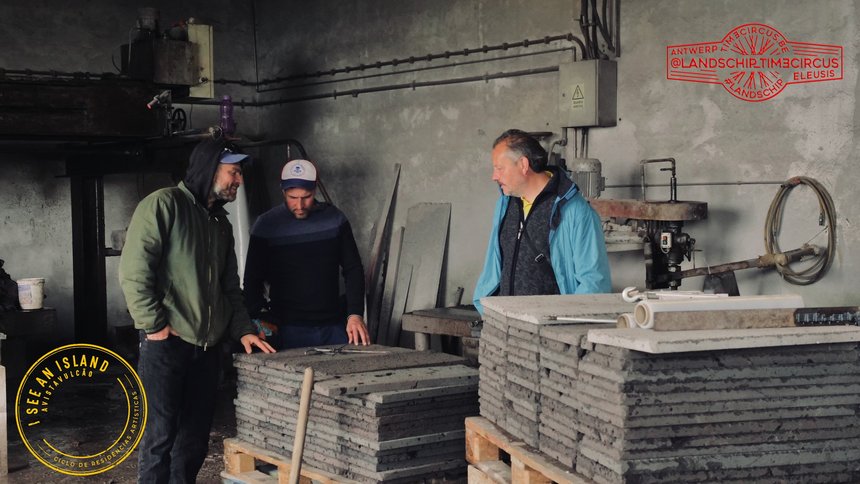
Sustainable Art and the Strength of the Collective.
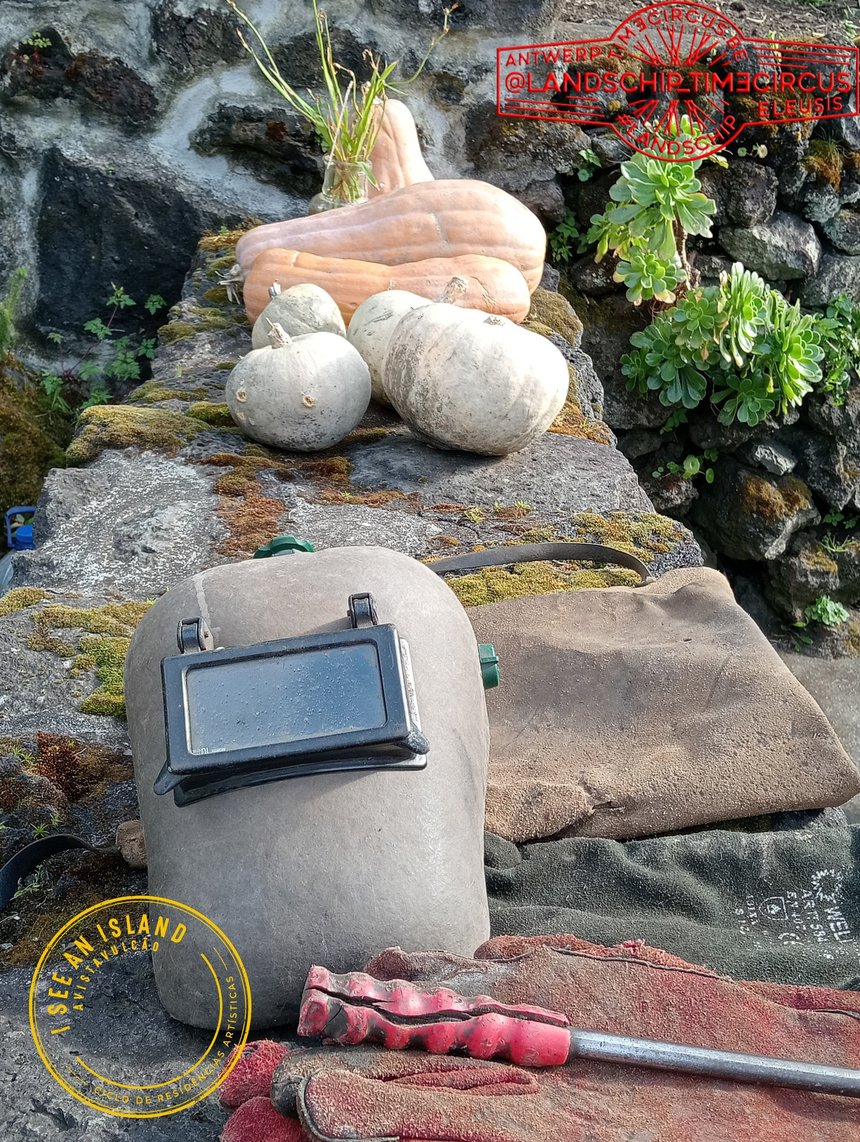
The new creation is still in an initial research phase, but the artists have already decided that they will work with local materials, such as cryptomeria wood, basalt stone, and disused objects. The goal is to value the resources that the territory offers, integrating them creatively and consciously into the artistic process.
This is a profoundly contemporary work that invites reflection on urgent issues of the current world, such as environmental challenges and the importance of inclusion and social diversity. At the same time, it is a profoundly human creation, because it is through the strength of the collective that larger-scale and more impactful projects become possible.
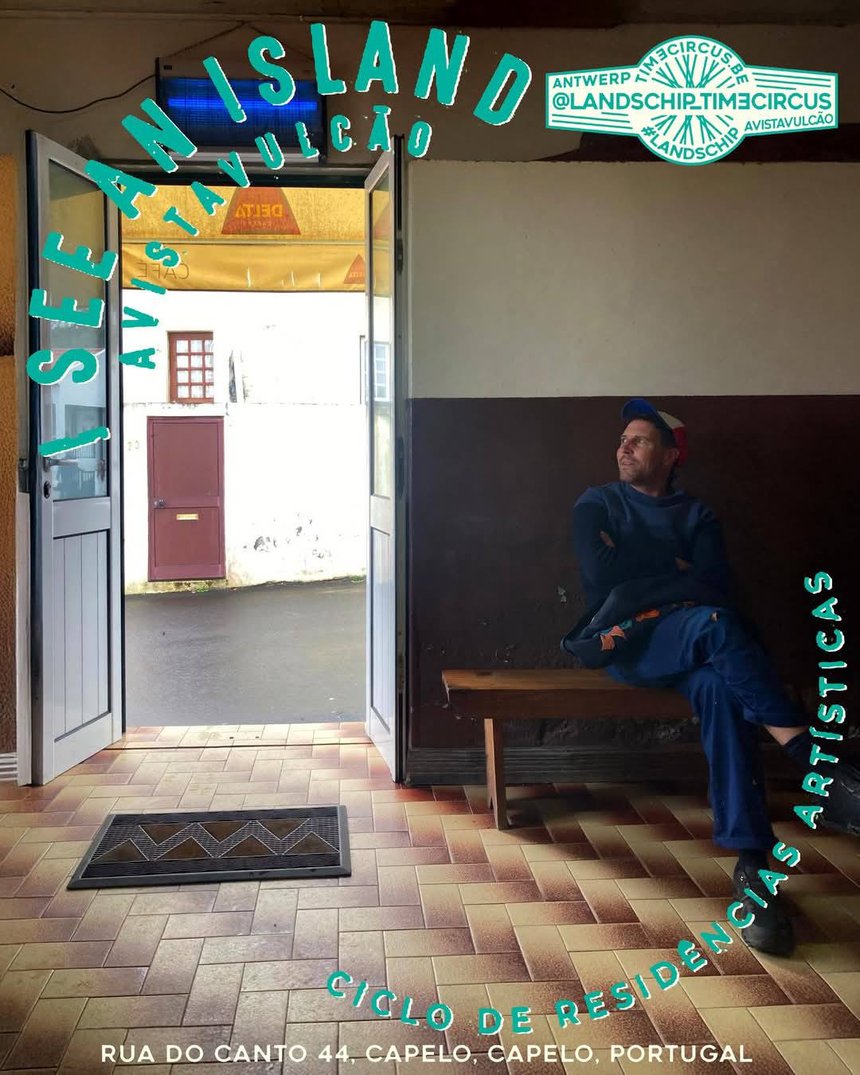
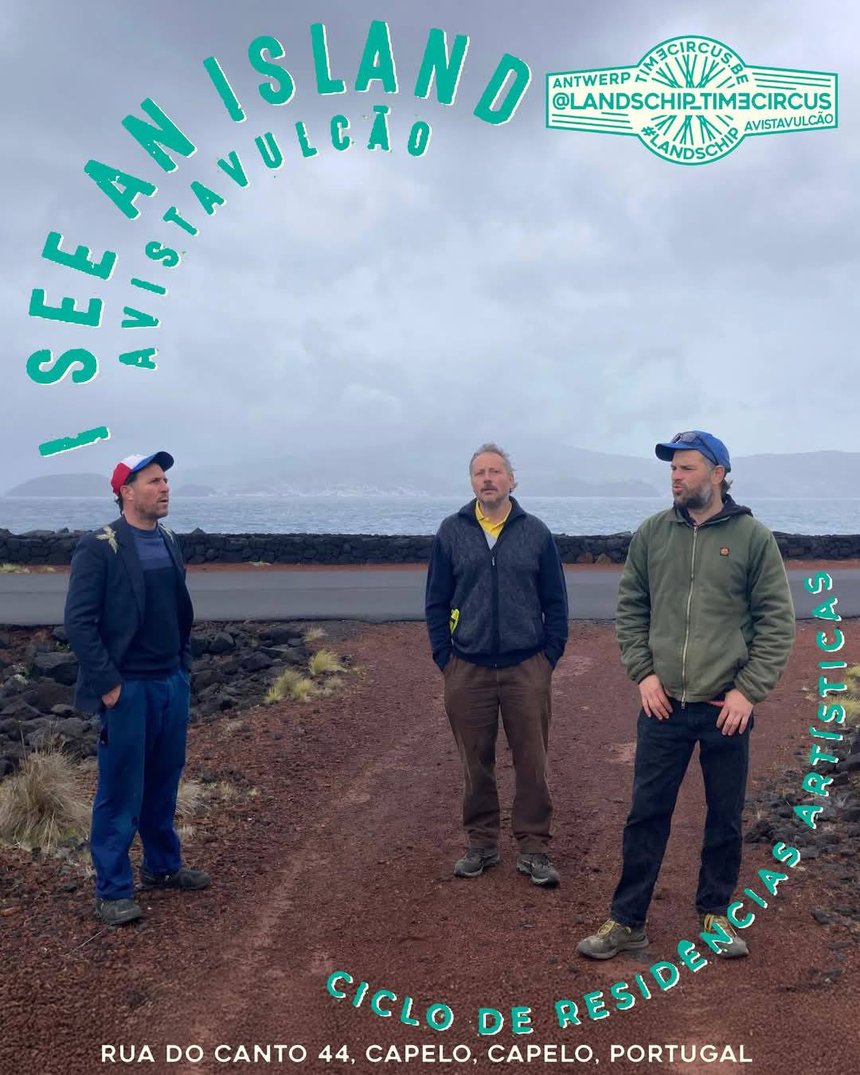
In this phase of the residency, we welcome the artists Bram, Sebastian, and Sig, who are currently preparing the first steps of this new creation. The project is scheduled to take place in September and October 2025, in the parish of Capelo, Faial Island.
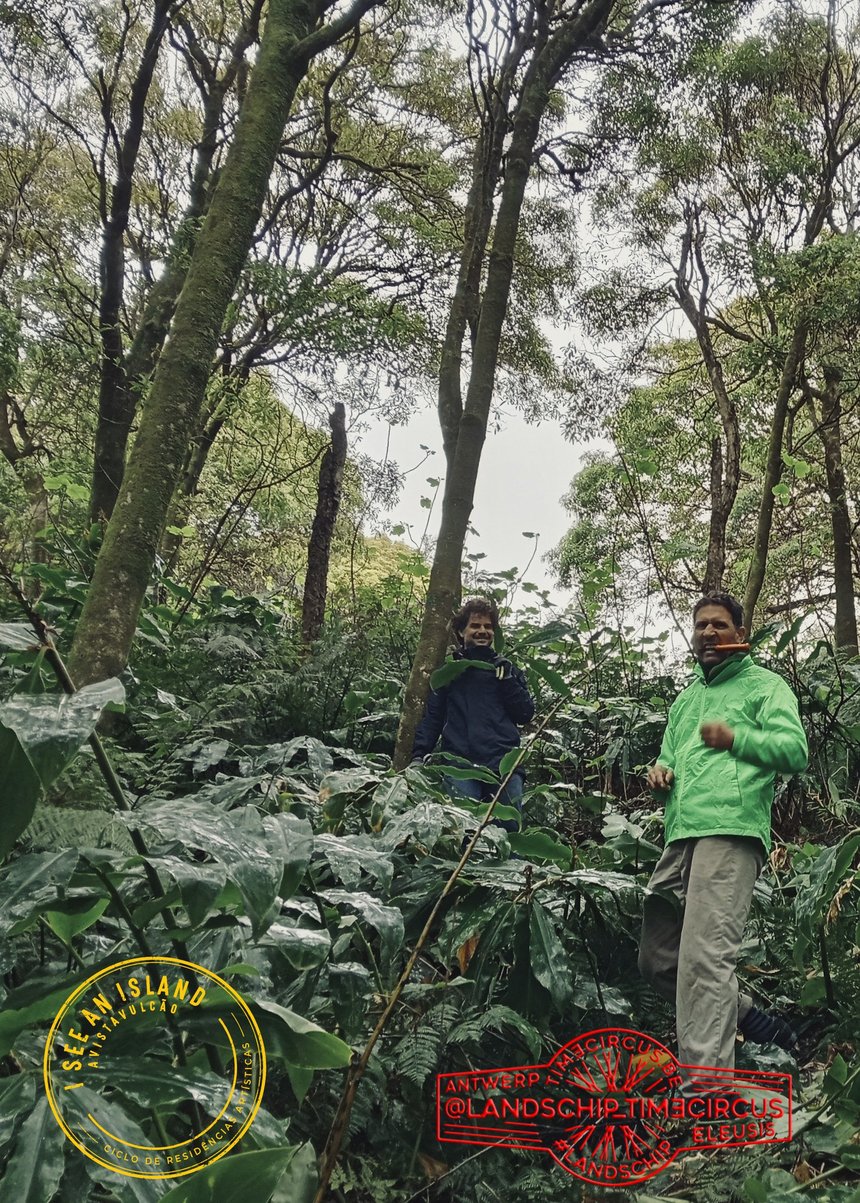
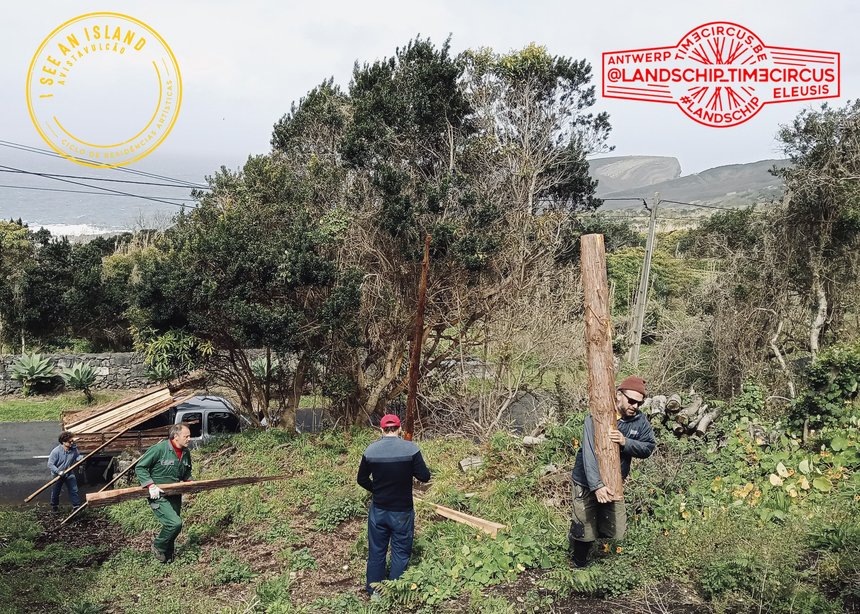
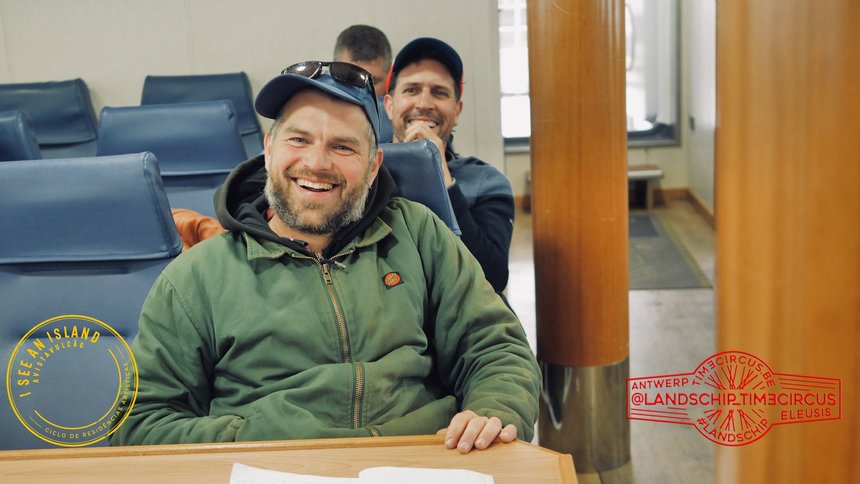
This stage of the residency is entirely dedicated to careful observation and the collection of materials—whether natural, visual, or narrative—that will nourish both the concept and the physical construction of the final work. It is a time of listening and immersion in the territory, in which the artists seek to absorb the traits, rhythms, and voices of the place.
More than a simple setting, the territory assumes an active role here: it is simultaneously raw material and interlocutor. Each element collected—a basalt stone, a fragment of wood, a story shared by a local inhabitant, an architectural detail—is integrated into the creative process not only as an aesthetic resource but as an expression of the identity and collective memory of the place.
The landscape, the gestures of the community, the silences, and the sounds become part of the artistic vocabulary that will give shape to the work. This process of active listening and sensitive engagement with the environment allows the artists to develop a rooted creation that respects and celebrates the cultural and natural specificity of the context in which it is embedded.
At this stage, time is not rushed—it is lived with attention and openness, allowing inspiration to emerge organically from the interaction with the territory and the people who inhabit it. It is from this profound connection that a significant work will be born, made of local materials and human relationships.